
Category: E-Commerce Tips
-

Spreadsheets and manual counts work fine at low volume. Here’s where they start costing you sales, and what a properly built inventory system actually requires.
-
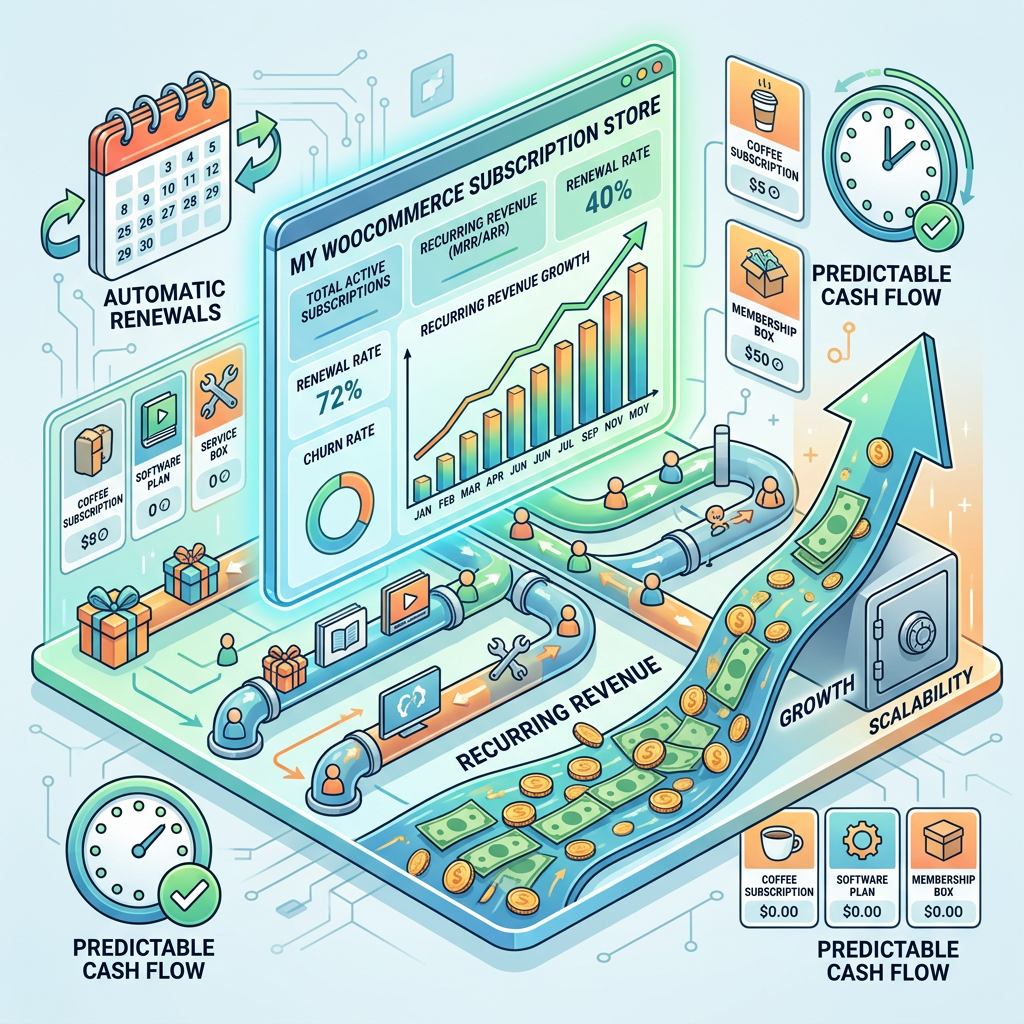
Recurring revenue changes the math of running a business. Instead of chasing new customers every month to hit your numbers, a well-built subscription model creates a compounding revenue base that grows as you retain customers and add new ones. The businesses that get this right don’t just generate more revenue — they build something predictable,…
-
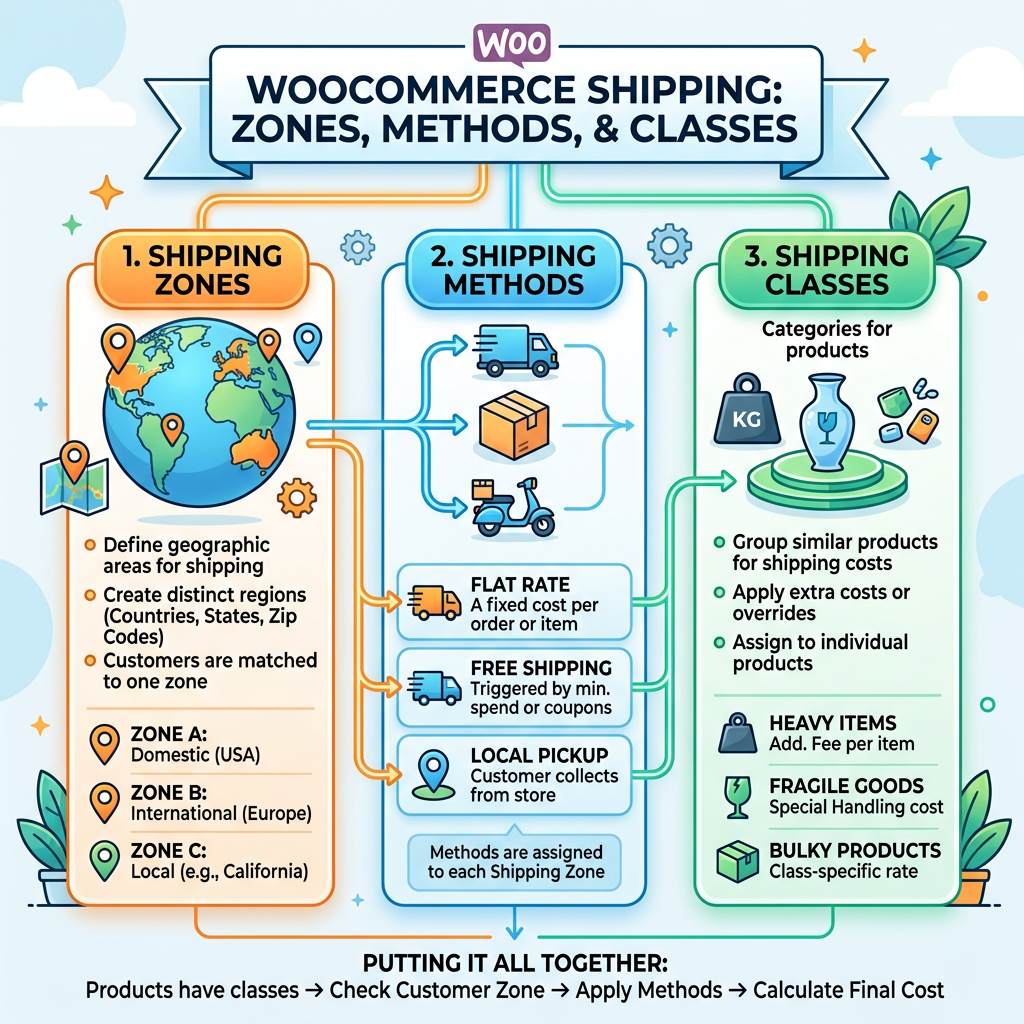
Shipping is one of those areas of WooCommerce that looks simple until you’re actually configuring it. The core concepts — zones, methods, classes — are straightforward. But the combination of options, the edge cases, and the places where defaults create problems for real-world operations trip up a lot of stores. Here’s how to think about…
-
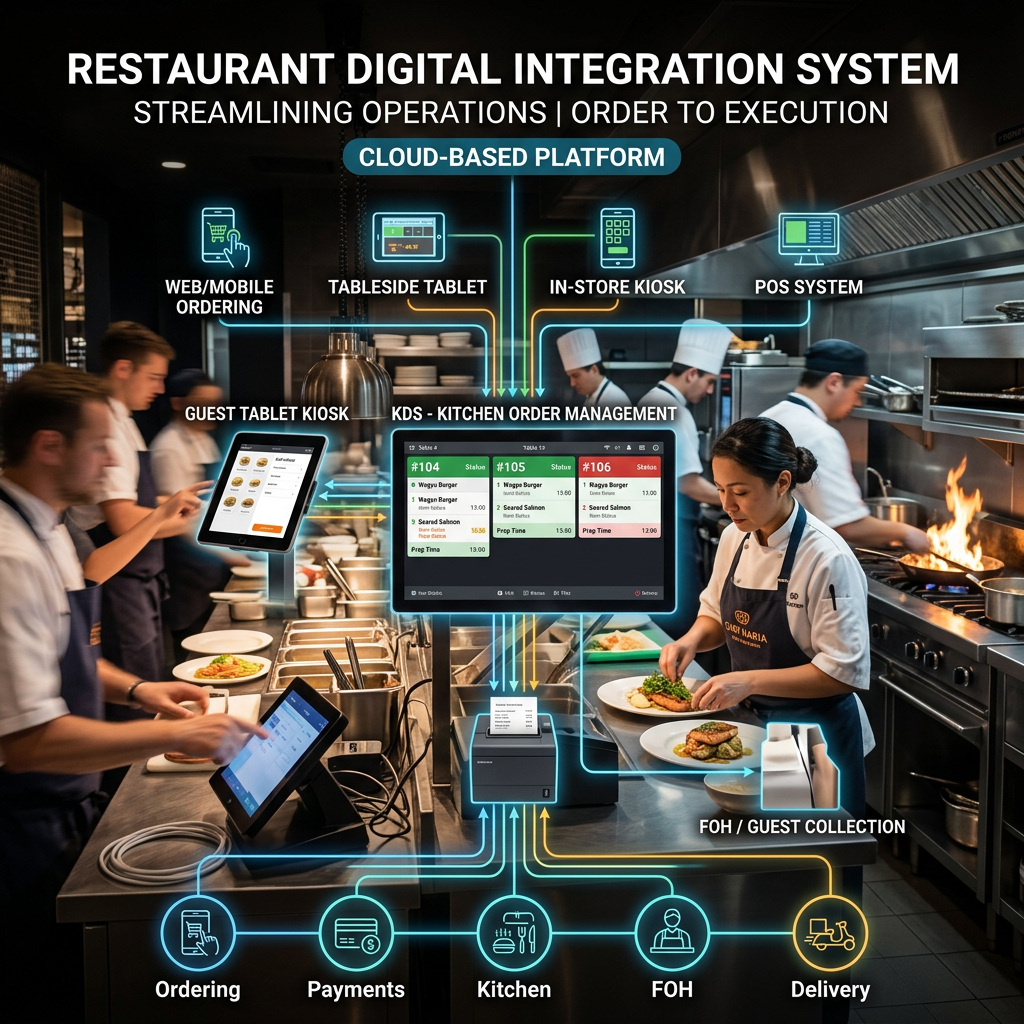
If you run a restaurant or food service business, you’re probably already taking digital orders through some combination of your own website, third-party delivery apps, and an in-store POS system. The problem most operators run into isn’t a shortage of ordering channels — it’s that those channels don’t talk to each other. Menu updates get…
-

Page speed has always mattered. What’s changed is that it now matters in ways that are directly measurable in dollars — not just in Google rankings, but in checkout completion rates, average order values, and revenue per session. For WooCommerce stores specifically, the relationship between load time and lost sales is well-documented and significant enough…
-
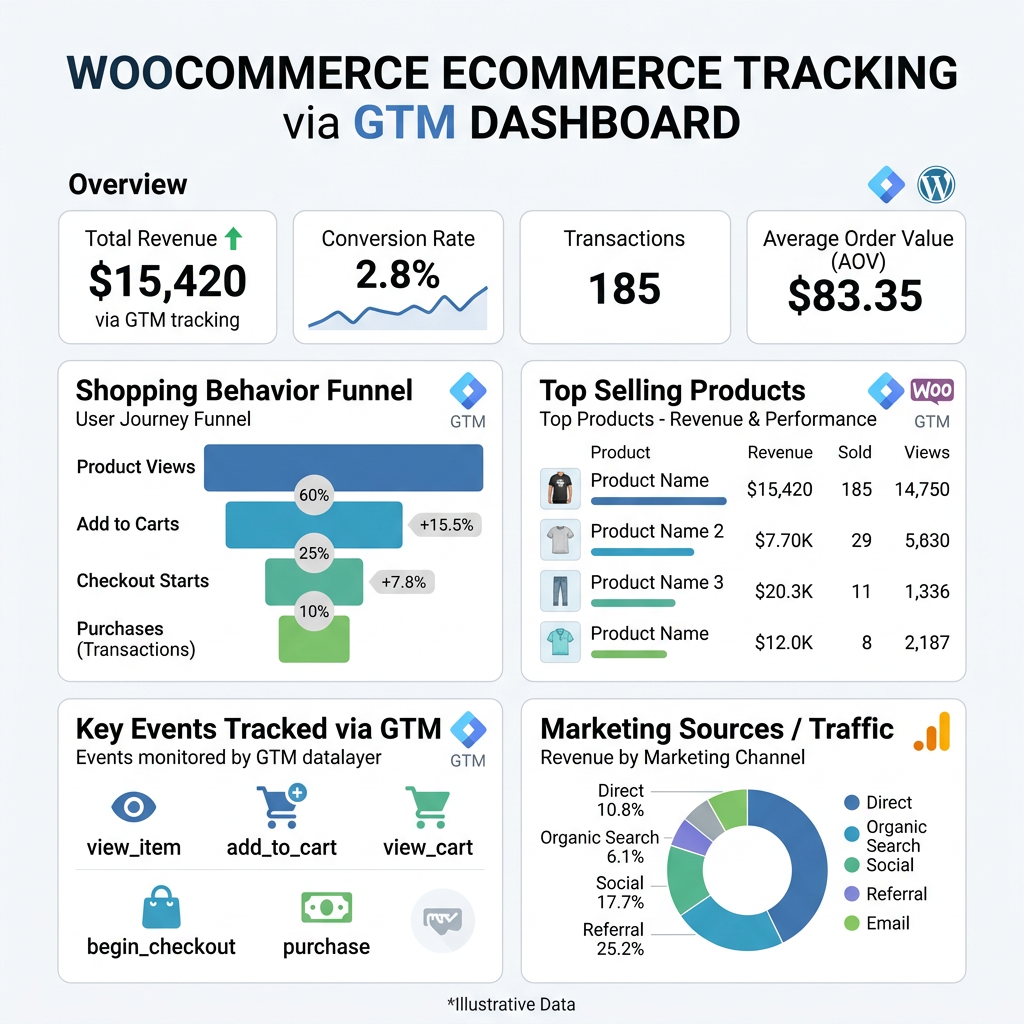
Most WooCommerce store owners have Google Analytics installed. Far fewer have it set up correctly. There’s a significant difference between tracking page views and tracking what actually matters — add to cart events, checkout steps, purchase completions, refunds, product impressions. Without accurate e-commerce event data, you’re making marketing decisions based on an incomplete picture. Google…